The best residential communities for retired couples in 2026 are not just places to buy a home. They are lifestyle ecosystems built around comfort, connection, wellness, recreation, and long-term peace of mind.
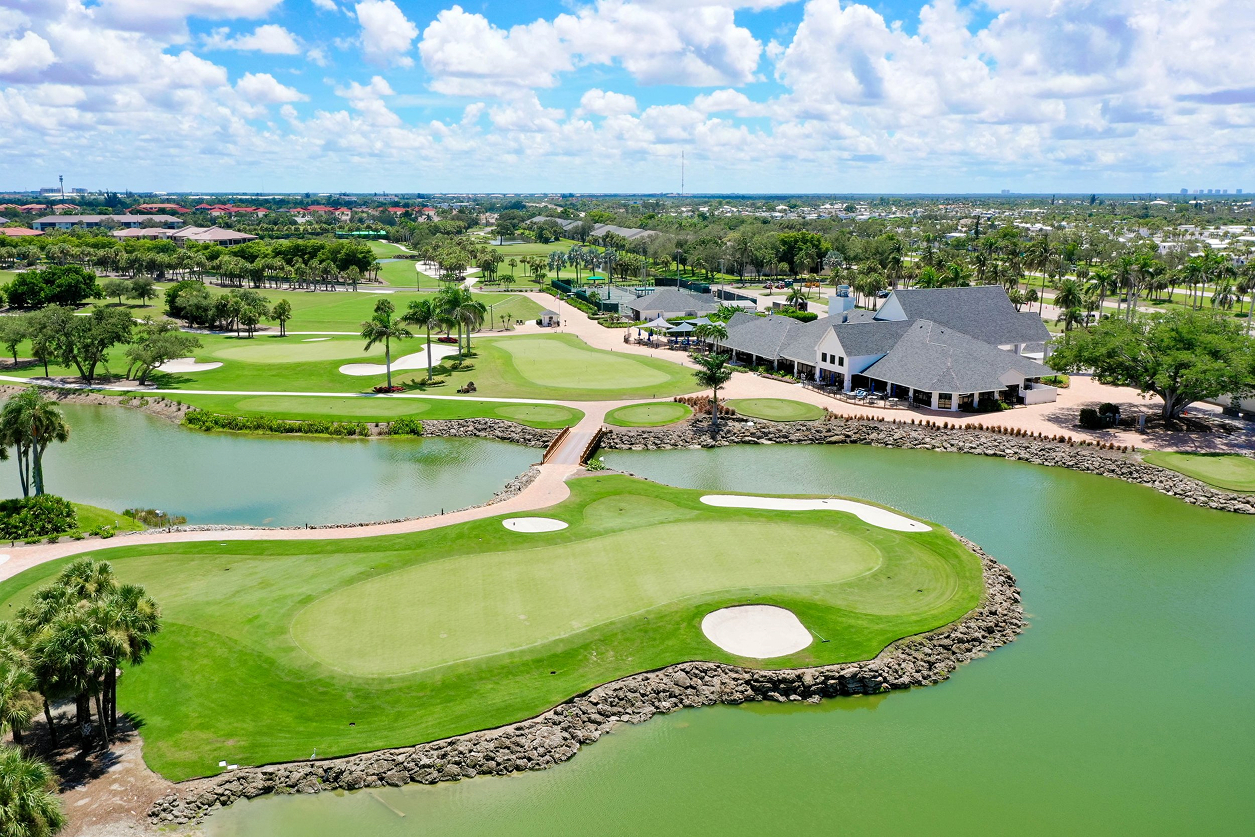
Key takeaways
- The best retirement communities combine low-maintenance homes, social connection, wellness amenities, healthcare access, and long-term lifestyle value.
- Golf and country club communities can be especially appealing because they provide recreation, dining, events, fitness, and a built-in social structure.
- Retired couples should compare total monthly costs, not just home prices, including HOA fees, club dues, insurance, taxes, maintenance, and assessments.
- The right community should fit how you want to live day to day, not just how it looks online or in a listing photo.
In this article
What Makes a Residential Community Great for Retired Couples in 2026?
For retired couples, choosing the right residential community is one of the most important lifestyle decisions of the next chapter. The search is no longer only about square footage, a sunny climate, or a pretty clubhouse. In 2026, the strongest communities combine low-maintenance living, social connection, golf and club access, healthcare proximity, strong resale demand, and homes designed for comfort now and later.
That is why searches for best residential communities for retired couples 2026 are becoming more specific. Couples want to know which communities offer the right blend of privacy, activity, elegance, convenience, and financial sense.
A great retirement community should improve everyday life. It should make it easier to stay active, meet people, enjoy hobbies, maintain independence, host family, access care, and feel secure. The mistake many buyers make is focusing only on the home. The home matters, but the community around it often determines whether the move feels successful five years later.
The right retirement community does not just give you a place to live. It gives you a rhythm, a routine, and a reason to enjoy every day. Linx Edition
The best residential communities for retired couples in 2026 usually include a few core advantages: thoughtfully designed homes, strong amenities, safe and attractive surroundings, convenient services, and a social environment that feels natural. For some couples, that means private golf, tennis, pickleball, and formal dining. For others, it means walking trails, fitness classes, card rooms, dog parks, casual restaurants, and easy access to nearby shopping.
Start with daily life
Before comparing homes, picture a normal Tuesday. Where will you walk, eat, exercise, meet friends, play golf, run errands, and get medical care?
Best Community Types Retired Couples Should Compare
There is no single best community for every retired couple. A couple that wants a quiet golf-view home may dislike a large active adult community with constant events. A couple that wants a lively social calendar may feel isolated in a small luxury gated neighborhood. The right decision depends on lifestyle fit.
Golf Course Communities
Ideal for couples who want golf views, club access, recreation, and a lifestyle centered around the course and clubhouse.
Country Club Neighborhoods
Strong for buyers who want dining, social events, tennis, pickleball, fitness, golf, and a polished private-club atmosphere.
55+ Active Adult Communities
Often built around social programming, low-maintenance homes, fitness, clubs, pools, events, and everyday convenience.
Resort-Style Communities
Best for couples who want a vacation-like setting with pools, wellness amenities, dining, trails, and organized recreation.
Features Retired Couples Should Prioritize in 2026
Golf, Club Access, and Social Recreation
For many retired couples, golf is more than a sport. It becomes a wellness routine, a social network, and a major part of daily life. Communities built around golf courses and country clubs often provide a natural structure for meeting neighbors, joining leagues, attending dinners, and staying active without needing to travel far.
Couples exploring golf-centered living can use Linx Edition to discover golf course homes, country club real estate, and communities where lifestyle and property value are closely connected.
Why golf communities work well
A well-run club can turn recreation into routine. Tee times, dining, fitness, pickleball, events, and social groups make it easier to stay connected without constantly planning outside activities.
Low-Maintenance Homes
Low-maintenance living is one of the biggest advantages retired couples look for in 2026. That does not mean the home should feel basic. The best homes offer elegant finishes, open layouts, modern kitchens, outdoor living areas, guest space, storage, smart home features, and easy upkeep.
Single-level floor plans, walk-in showers, minimal stairs, energy-efficient systems, newer roofs, and association-managed landscaping can make a home more comfortable over time. A beautiful home that becomes difficult to maintain is not a win.
Healthcare and Wellness Access
Healthcare access should be part of every retirement community search. A community may look perfect, but if routine medical care, specialists, pharmacies, and emergency services are too far away, the lifestyle can become inconvenient.
Retired couples should also look for wellness amenities inside the community, including fitness centers, pools, walking trails, stretching classes, and organized activities.
Walkability and Everyday Convenience
Walkability matters more than many buyers expect. Communities with shaded sidewalks, trails, golf cart access, nearby dining, and easy routes to amenities often feel more connected. If you can reach the clubhouse, pool, fitness center, mail center, or walking trail without a long drive, the neighborhood becomes part of your daily routine.
Social Fit and Community Culture
This is where online research can fall short. A community may look outstanding in photos but feel wrong in person. Retired couples should visit at different times of day, eat at the club, review the events calendar, walk the neighborhood, and speak with residents when possible.
The best residential communities for retired couples in 2026 are not only beautiful. They feel easy to join. The right community should match your pace, your interests, and your preferred level of social activity.
High-Priority Lifestyle Features
- Single-level or accessible home design
- Golf, club, fitness, or wellness access
- Natural social opportunities
- Low-maintenance landscaping
- Nearby healthcare and pharmacies
Quality-of-Life Details
- Guest space for family visits
- Trails, sidewalks, or golf cart access
- Dining and casual gathering spaces
- Strong resale demand
- Clear HOA and club fee structure
Popular Retirement Community Markets to Watch
Several markets continue attracting retired couples because they combine climate, golf, amenities, and strong lifestyle infrastructure. Florida remains one of the most searched retirement states, especially around Naples, Sarasota, Palm Beach County, Central Florida, and Gulf Coast communities.
Arizona is popular for desert golf, dry weather, and resort-style living. South Carolina attracts buyers who want golf, coastal access, and a slower pace. North Carolina, Tennessee, Nevada, and parts of Texas also continue to gain attention from couples looking for space, value, and lifestyle communities.
Florida
Strong for year-round sunshine, golf communities, active adult living, Gulf Coast markets, and established retirement infrastructure.
Arizona
Popular for desert golf, dry weather, mountain views, resort-style clubs, and active adult communities near Phoenix and Tucson.
The Carolinas
Appealing for golf, coastal access, mountain options, mild seasons, and communities near places like Pinehurst, Wilmington, Hilton Head, and Charleston.
Tennessee, Nevada, and Texas
Worth comparing for space, value, tax considerations, warm climates, club communities, and growing lifestyle markets.
Popular does not always mean best
A high-demand community may have higher fees, tighter inventory, insurance concerns, or a social environment that is not the right match. Compare communities based on how you live, not just where everyone else is moving.
Retired Couples’ Community Buying Checklist
Before choosing a retirement community, retired couples should evaluate the home, the neighborhood, the club or amenity structure, and the surrounding market together.
- Single-level living or a practical long-term floor plan
- Primary suite, laundry, kitchen, and main living areas on one level
- Walk-in showers, wider pathways, and minimal stairs
- Low-maintenance landscaping or association-managed exterior care
- Nearby hospitals, specialists, pharmacies, and urgent care
- Golf, tennis, pickleball, fitness, pool, dining, and social amenities
- Community events that match your preferred pace
- HOA fees, club dues, initiation fees, insurance, taxes, and assessments
- Guest parking, guest rooms, or space for visiting family
- Pet rules, rental rules, renovation rules, and architectural restrictions
- Resale demand and long-term neighborhood stability
- Distance to airports, shopping, restaurants, and everyday services
- Seasonal population changes and how the community feels year-round
How to Compare Communities Before You Buy
- Define your lifestyle first. Decide whether golf, fitness, dining, travel, privacy, family visits, or social events matter most.
- Compare total monthly costs. Look beyond the mortgage and include HOA fees, club dues, insurance, maintenance, taxes, and assessments.
- Tour the amenities like a resident. Eat at the club, walk the trails, visit the fitness center, and observe how active the community feels.
- Think about five to ten years ahead. Choose a home and community that can still serve you well as your needs change.
- Review the community documents. Read HOA rules, financials, meeting minutes, club membership terms, reserve studies, and pending assessment notices.
- Use lifestyle-focused real estate research. Browse communities, clubs, and homes through resources like Linx Edition instead of looking at listings alone.
Visit more than once
A community can feel different on a weekday morning, a weekend evening, or during peak season. Multiple visits help reveal whether the culture, activity level, and convenience truly fit.
Why Golf and Country Club Communities Stand Out
Golf and country club communities are especially compelling for retired couples because they combine home, recreation, and social life in one environment. A well-run club can make it easier to meet people, stay active, entertain guests, and enjoy a polished lifestyle without constantly planning outside activities.
These communities also tend to have a clear identity. Buyers are not just choosing a neighborhood; they are choosing a lifestyle around the course, clubhouse, dining room, fitness center, and calendar of events. For the right couple, that structure can make retirement feel more connected, more active, and more enjoyable.
Built-In Recreation
Golf, pickleball, tennis, fitness, swimming, walking, and wellness programming can make it easier to stay active.
Natural Social Life
Club dining, leagues, events, classes, and interest groups create low-pressure ways to meet people.
Guest-Friendly Lifestyle
Country club communities can make it easier to host children, grandchildren, friends, and visiting family.
FAQs: Best Residential Communities for Retired Couples 2026
What are the best residential communities for retired couples in 2026?
The best communities are those that fit a couple’s daily lifestyle, budget, health needs, and social preferences. Golf course communities, country club neighborhoods, 55+ active adult communities, and resort-style residential communities can all be strong options depending on the couple.
Are golf communities good for retired couples?
Yes. Golf communities can be excellent for retired couples who want recreation, social connection, dining, fitness, events, and attractive surroundings. The best fit depends on whether the couple wants private club access, public golf, or a broader resort-style lifestyle.
What should retired couples look for in a community?
Important features include low-maintenance homes, healthcare access, walkability, safety, social activities, fitness amenities, golf or club access, nearby shopping, guest-friendly home layouts, and clear HOA or membership costs.
Are 55+ communities better than traditional neighborhoods?
They can be, especially for couples who want built-in social programming, age-targeted amenities, low-maintenance homes, and neighbors in a similar life stage. Traditional neighborhoods may be better for couples who prefer a broader age mix or fewer community rules.
Should retired couples buy in Florida or Arizona?
Florida may appeal to couples who want beaches, warm winters, golf, and established retirement infrastructure. Arizona may appeal to couples who prefer dry weather, desert scenery, mountain views, and resort-style golf communities. The better choice depends on climate preference, budget, healthcare access, and desired lifestyle.
How important are HOA fees in retirement communities?
HOA fees are very important because they affect monthly cash flow and long-term affordability. Retired couples should compare what the fees include, how often they increase, whether reserves are healthy, and whether club dues or amenity fees are separate.
Should retired couples prioritize resale value?
Yes. Even if a couple plans to stay long term, resale value matters. Communities with strong amenities, good management, desirable locations, healthcare access, and active buyer demand may be easier to sell later.
Find a retirement community built around the way you want to live
Explore golf course homes, country club communities, and lifestyle-driven residential opportunities with Linx Edition.
Explore Golf Communities Browse Country ClubsGolf Course Homes Country Club Living Retirement Communities 2026 Guide
